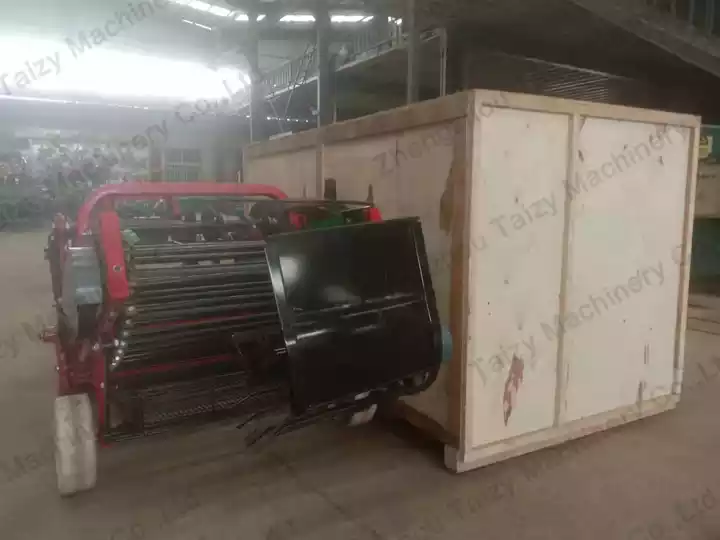
Our factory completed and shipped a groundnut harvester machine to Guyana, a South American country. The buyer is a local company specializing in peanut cultivation and peanut butter production. In order to improve the harvesting efficiency and shorten the harvesting period, the customer decided to purchase a peanut harvesting machine.
Customer background and industry needs
The client has a 200 hectare plantation and a modern peanut butter production line. Its business has the following limitations:
- Insufficient harvesting efficiency: traditional manual harvesting requires 15 man-days to complete 1 hectare, with a 20% loss rate during the harvesting season.
- Processing quality limitations: manual harvesting causes soil mixing and pod breakage, leading to the risk of impurities in the sauce exceeding the standard.
- High labor costs: harvesting accounts for a high percentage of total production costs, severely restricting production expansion plans.
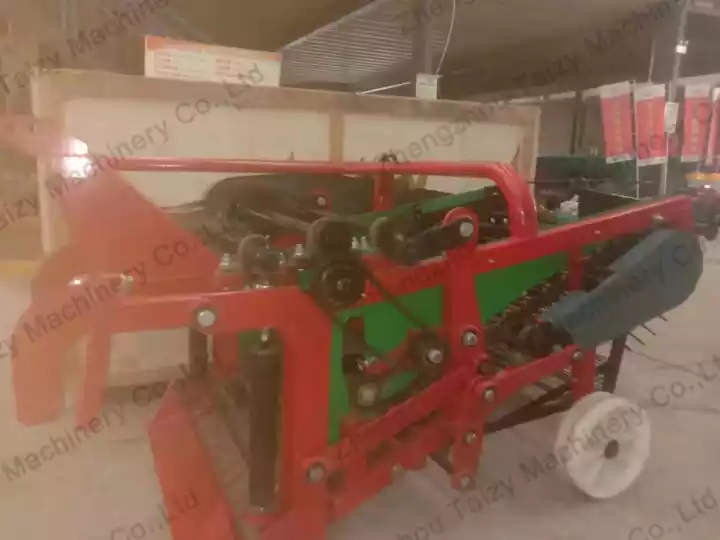
Core parameters of groundnut harvester machine
The equipment can complete digging, separating, shaking and spreading in one go, reducing the rate of peanut loss, which is particularly suitable for Guyana’s climatic conditions and soil types.
ModuleTechnical programCore valuePower adaptation20-35HP tractor PTO driveMatches the mainstream agricultural models in GuyanaHarvesting systemDouble-action toothed rollers + vibrating sieve chainSoil separation rate ≥95Operating efficiency1300-2000 square meters/hourEquivalent to 15 people working at the same timeLightweight designAerospace aluminum frame (total weight 280kg)Reduces soil compactiongroundnut harvester machine technical data and advantages
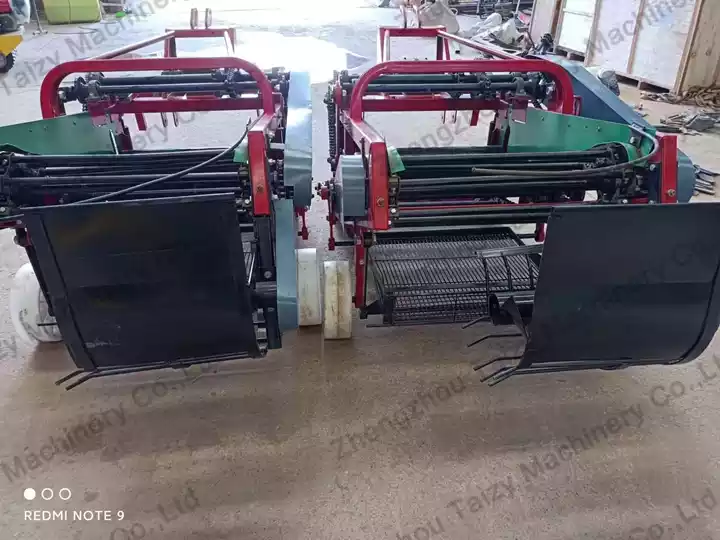
Preparation for shipment
After the completion of the peanut harvester machine , our technical team on the equipment for many rounds of debugging and field trials, to ensure that the equipment can be used directly.
At the same time, according to customer demand supporting shipment of technical information and operation manuals, convenient for customers to quickly start using.
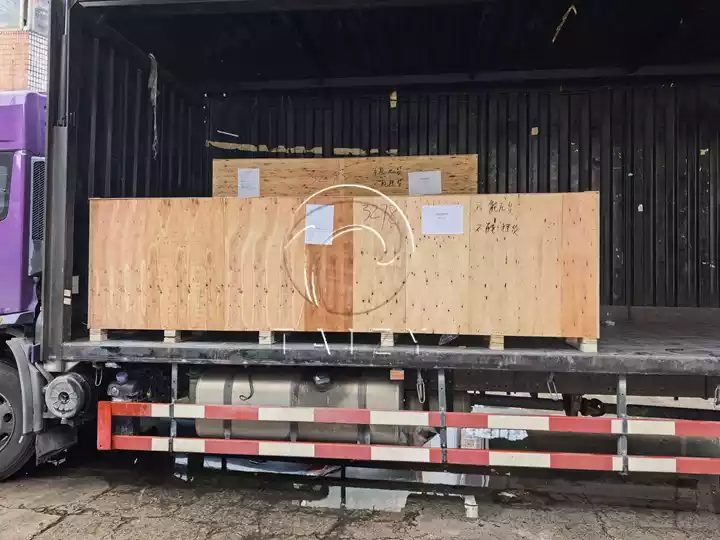
At the shipping site, the equipment is firmly packed to prevent collision damage during transportation, and with the export shipping standards to implement the shipping process to ensure that the equipment arrives safely at the port of Guyana .